
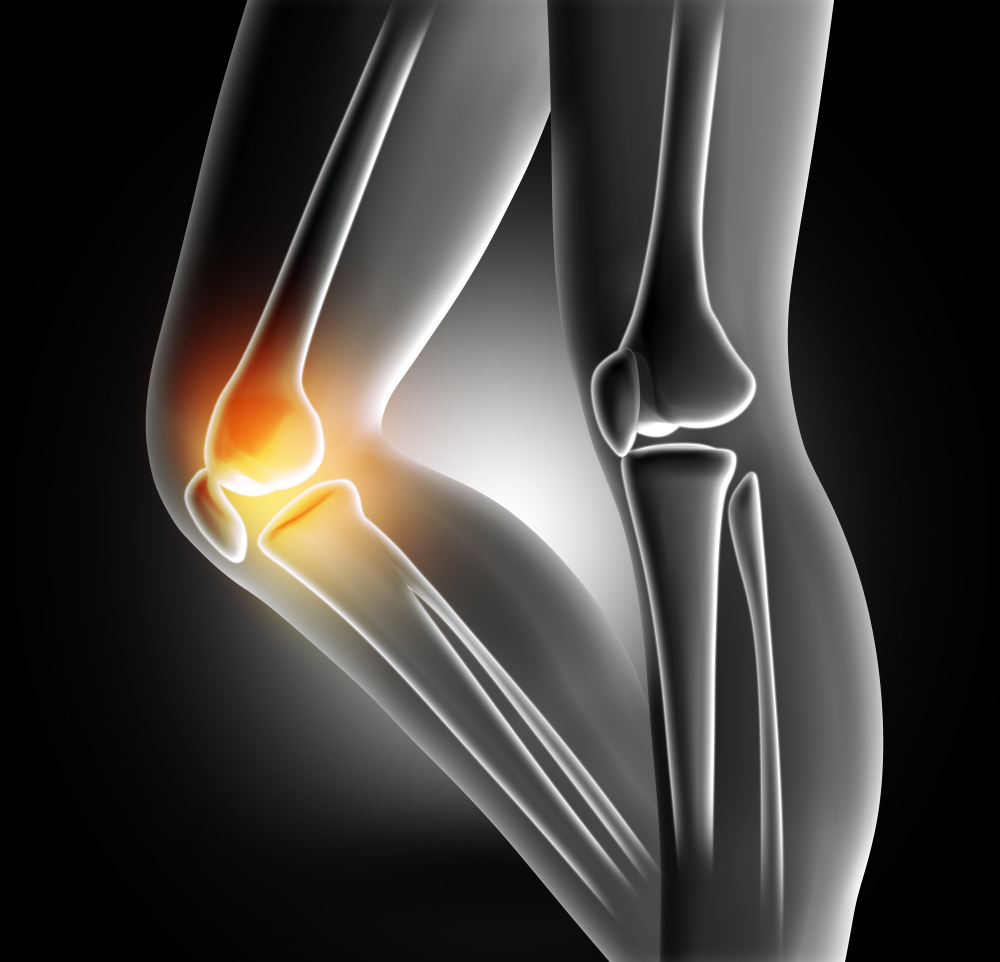
Introduction
A meniscus tear is a common knee injury. The meniscus is a piece of cartilage in your knee. It acts as a cushion between your thighbone and shinbone. When this cartilage tears, it can cause pain, swelling, and trouble moving your knee. Many people search for information about meniscus tear symptoms, causes of meniscus tear, and meniscus tear treatment options. Understanding this injury can help you make better decisions about your health.
What Is a Meniscus Tear?
The meniscus is a rubbery, C-shaped disc in your knee. Each knee has two menisci. They help absorb shock and keep your knee stable. A meniscus tear happens when this cartilage gets damaged. Sometimes, the tear is small. Other times, it can be large and cause your knee to lock or catch. This injury is common in both athletes and older adults.
Causes of Meniscus Tear
There are several causes of meniscus tear. Often, the injury happens during activities that twist or rotate the knee. For example, sports like soccer or basketball can put stress on the knee. However, meniscus tears can also happen from simple movements, especially as people age. The cartilage can wear down over time, making it easier to tear.
According to the American Academy of Orthopaedic Surgeons, meniscus tears are among the most common knee injuries.
Common Symptoms
Meniscus tear symptoms can vary. Some people feel pain right away. Others notice problems a few days later. Still, it is important to recognize the signs early. This can help you get the right treatment.
If you notice these symptoms, you should see a doctor for an evaluation.
Diagnosis
Doctors use several methods to diagnose a meniscus tear. First, they will ask about your symptoms and how the injury happened. Next, they will examine your knee. They may move your leg in different ways to check for pain or clicking. Sometimes, doctors order imaging tests, such as an MRI, to see the tear more clearly. X-rays can help rule out other knee problems. Early diagnosis can lead to better outcomes.
Treatment Options
There are many meniscus tear treatment options. The right choice depends on the size and location of the tear, your age, and your activity level. In many cases, doctors start with simple treatments. However, some tears may need surgery.
The Centers for Disease Control and Prevention (CDC) recommends early treatment to prevent further knee damage.
Prevention Tips
While not all meniscus tears can be prevented, you can lower your risk. Simple steps can protect your knees and keep them healthy.
By following these tips, you can help keep your knees strong and flexible.
Conclusion
In summary, a meniscus tear is a common knee injury. It can cause pain, swelling, and trouble moving your knee. Early diagnosis and the right treatment can help you recover faster. If you have knee pain or think you may have a meniscus tear, consult a healthcare specialist for personalized advice about meniscus tears.