
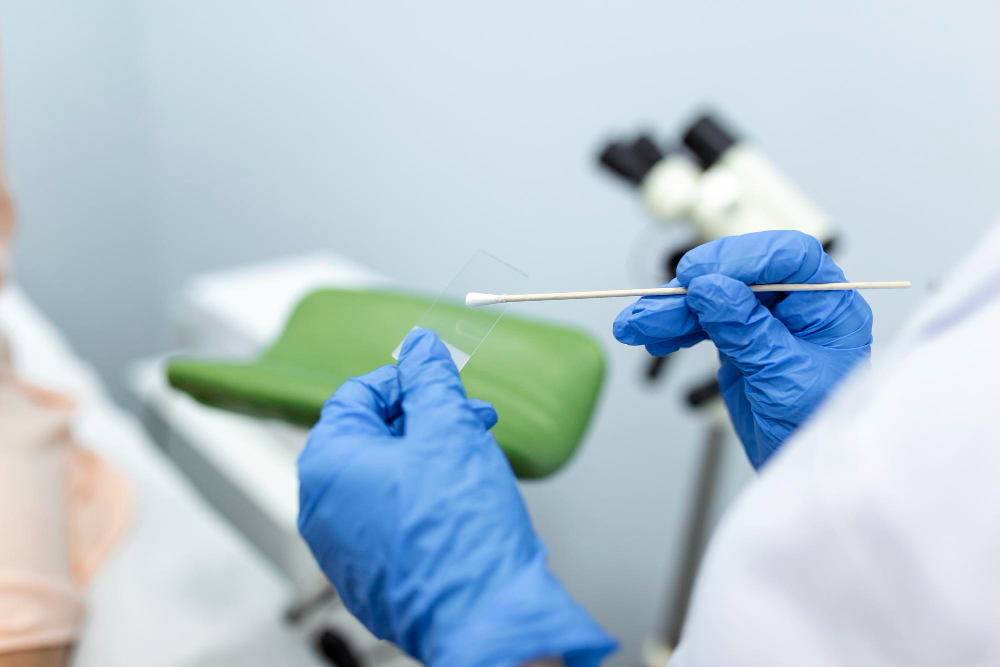
A Pap smear is a simple test that checks for changes in the cells of the cervix. It helps find early signs of cervical cancer. Many people wonder who should get a Pap smear and how often. Knowing the right guidelines can help you stay healthy and catch problems early. In this blog, we will explain Pap smear guidelines, cervical cancer screening frequency, and who needs a Pap test.
Who Should Get a Pap Smear?
Not everyone needs a Pap smear at the same age or for the same reasons. However, most women and people with a cervix should get screened. Here are the main groups who should get a Pap smear:
Some people may need more frequent screening. For example, you may need more checks if you have:
In addition, talk to your doctor if you are unsure about your risk.
How Often Should You Get a Pap Smear?
Screening intervals depend on your age and health. Here are the standard guidelines for cervical cancer screening frequency:
However, if you have risk factors, your doctor may suggest more frequent tests. For example, people with HIV or a weak immune system may need yearly screening. Always ask your doctor what is right for you.
Why Regular Pap Smears Matter
Regular Pap smears can save lives. They help find changes in cervical cells before cancer develops. Because of this, early treatment is possible. In addition, Pap smears can catch problems before you notice any symptoms. This means you have a better chance of staying healthy. Above all, following Pap smear guidelines lowers your risk of cervical cancer.
When to Consult Your Doctor
Sometimes, you may need to see your doctor sooner. For example, consult your doctor if you have:
Additionally, if you are unsure about your screening schedule, ask your healthcare provider. They can help you decide what is best for your health.
Reliable Sources and Guidelines
These Pap smear guidelines come from trusted sources. The World Health Organization (WHO), Centers for Disease Control and Prevention (CDC), and peer-reviewed journals all support these recommendations. For more details, you can visit their websites or ask your doctor for up-to-date advice.
Conclusion and Call-to-Action
In summary, knowing who should get a Pap smear and how often is key to preventing cervical cancer. Follow the guidelines for your age and risk level. If you have questions or special health needs, consult a specialist for personalized guidance.