
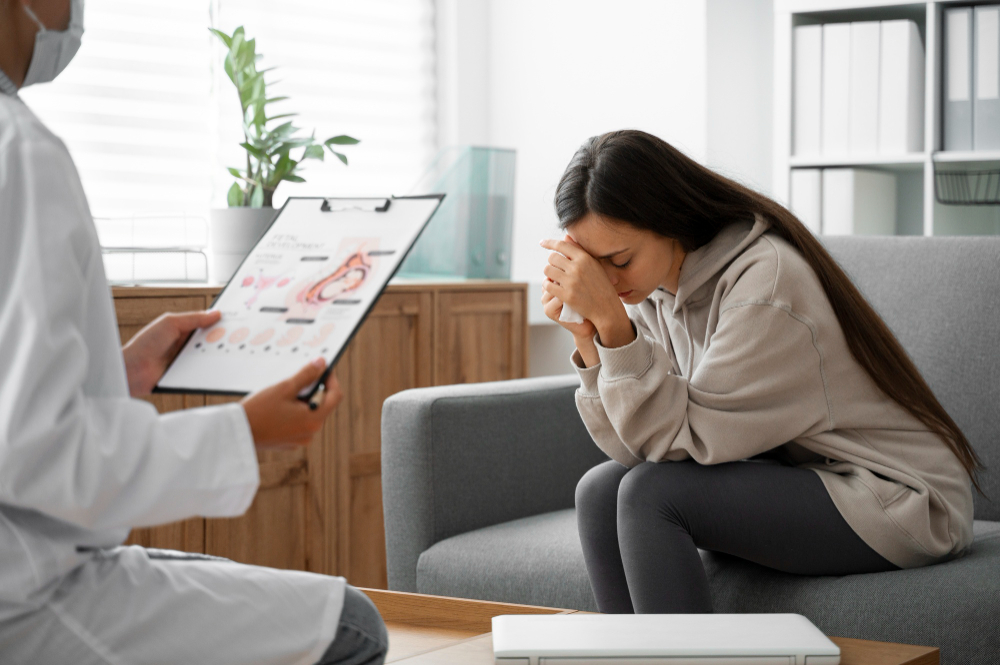
What is Miscarriage?
Miscarriage is the loss of a pregnancy before 20 weeks. Many people also call it early pregnancy loss or spontaneous abortion. Most miscarriages happen in the first trimester, which is the first 12 weeks of pregnancy. Although miscarriage is common, it can be very upsetting. According to the CDC, about 10% to 20% of known pregnancies end in miscarriage. However, the real number may be higher because some miscarriages happen before a woman knows she is pregnant.
Common Causes of Miscarriage
There are many reasons why a miscarriage may occur. Often, the exact cause is not known. Still, some common causes include:
Sometimes, lifestyle factors like smoking, drinking alcohol, or using drugs can increase the risk. But, in most cases, nothing could have been done to prevent it.
Symptoms and Warning Signs
It is important to know the signs of miscarriage. Early signs can include:
However, some women may have no symptoms at all. If you notice any of these signs, you should contact your doctor right away. Quick action can help you get the care you need.
Diagnosis: How Miscarriage is Confirmed
Doctors use several methods to confirm a miscarriage. First, they may ask about your symptoms and do a physical exam. Next, they often use an ultrasound to check if the baby’s heartbeat is present. Blood tests can also help by measuring pregnancy hormone levels. Sometimes, doctors repeat these tests over a few days to be sure. If you think you are having a miscarriage, seek medical help as soon as possible.
Treatment and Medical Care
Treatment depends on the type of miscarriage and how far along the pregnancy was. In some cases, the body passes all pregnancy tissue on its own. Other times, medicine or a small procedure may be needed to remove tissue from the uterus. Your doctor will explain your options and help you choose the best care. After a miscarriage, your body usually recovers within a few weeks. However, follow-up visits are important to make sure you are healing well.
Emotional Support and Coping
Miscarriage can cause strong feelings, such as sadness, guilt, or anger. These feelings are normal, and it is okay to grieve. You may want to talk with family, friends, or a counselor. Many women and couples find support groups helpful. In some cities, you can find miscarriage support groups or counseling services. Remember, you are not alone, and help is available.
Prevention and When to Seek Help
Although most miscarriages cannot be prevented, some steps may lower your risk:
If you have had more than one miscarriage, talk to your doctor. They may suggest tests to find possible causes. Always seek help if you have heavy bleeding, severe pain, or signs of infection, such as fever.
Conclusion
Miscarriage is a common and often heartbreaking event. But, with the right care and support, most women recover well. If you have concerns about miscarriage, consult a healthcare specialist for personalized advice.