
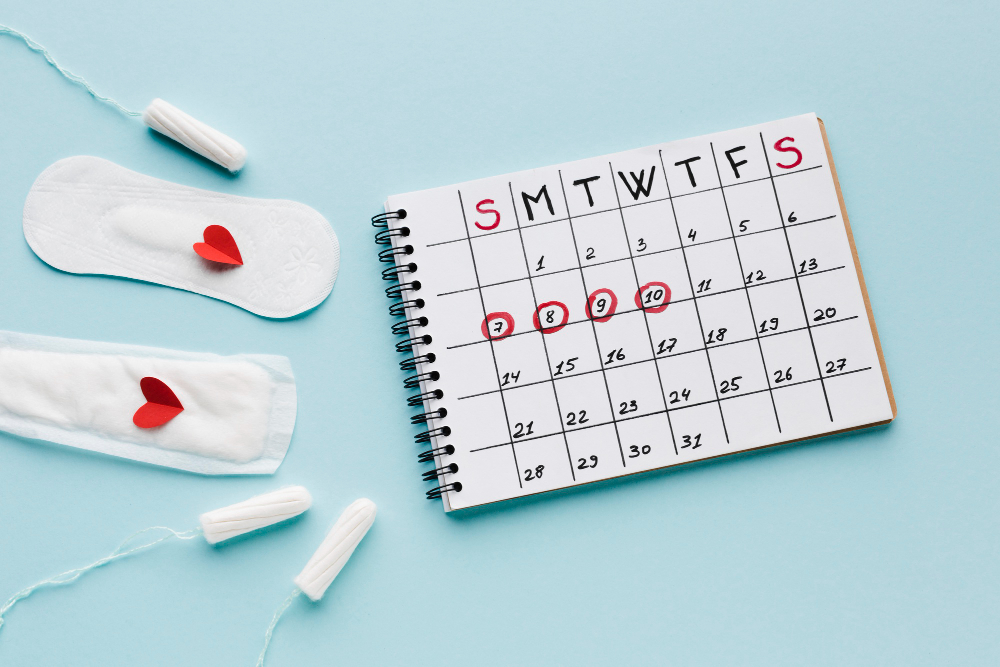
Introduction to Menstrual and Bleeding Disorders
Many women experience changes in their periods. Sometimes, these changes are due to bleeding disorders affecting periods. These disorders can cause heavy, long, or irregular bleeding. Because these symptoms can impact daily life, it is important to know the signs and seek help when needed.
Common Symptoms and Warning Signs
Bleeding disorders can show up in different ways. For example, some people may notice their periods are much heavier than usual. Others may bleed for more days or have spotting between periods. If you notice any of these symptoms, it may be a sign of a problem:
Additionally, if you feel dizzy or faint, you should talk to your doctor.
Causes and Risk Factors of Bleeding Disorders in Menstruation
There are several causes of bleeding disorders affecting periods. Some are inherited, while others develop over time. For instance, conditions like von Willebrand disease or platelet disorders can make it hard for blood to clot. Other causes include:
Family history can also increase your risk. If your mother or sister has a bleeding disorder, you may have a higher chance as well.
How Are Bleeding Disorders Diagnosed?
Doctors use several steps to diagnose menstrual disorders. First, they will ask about your symptoms and medical history. Next, they may do a physical exam. To find the cause, your doctor may order blood tests. These tests check how well your blood clots. Sometimes, an ultrasound or other imaging tests help rule out other problems. If you have heavy periods or easy bruising, you should see a doctor. Early diagnosis can help prevent complications.
Treatment Options for Menstrual Bleeding Disorders
Treatment for menstrual bleeding disorders depends on the cause. Your doctor may suggest:
Besides medical treatments, lifestyle changes can help. For example, eating a healthy diet and managing stress may improve symptoms. Always follow your doctor’s advice before starting any new treatment.
Prevention Tips and Lifestyle Guidance
While not all bleeding disorders can be prevented, you can take steps to manage symptoms. For instance, keep a period diary to track changes. This can help your doctor find patterns. In addition, try these tips:
Moreover, share your family history with your doctor. This information can help guide your care.
When to Seek Medical Help
If you notice heavy bleeding, periods longer than seven days, or feel weak, see a doctor. Also, if you have easy bruising or frequent nosebleeds, get checked. Early treatment can prevent serious health problems. According to the CDC and WHO, prompt care is important for all menstrual disorders.
Conclusion
Menstrual disorders and bleeding disorders affecting periods can impact your health and daily life. However, with the right care, most people can manage their symptoms. If you have concerns about your periods, consult a gynecologist for personalized advice about menstrual disorders and bleeding concerns.
Sources: Centers for Disease Control and Prevention (CDC), World Health Organization (WHO),