
What Are Varicose Veins?
Varicose veins are swollen, twisted veins that often appear on the legs. They happen when the valves in your veins do not work well. As a result, blood pools in the veins, making them look blue or purple. Many people notice aching, heaviness, or swelling in their legs. While varicose veins are common, they can sometimes cause discomfort or lead to other problems.
How Do Compression Stockings Help?
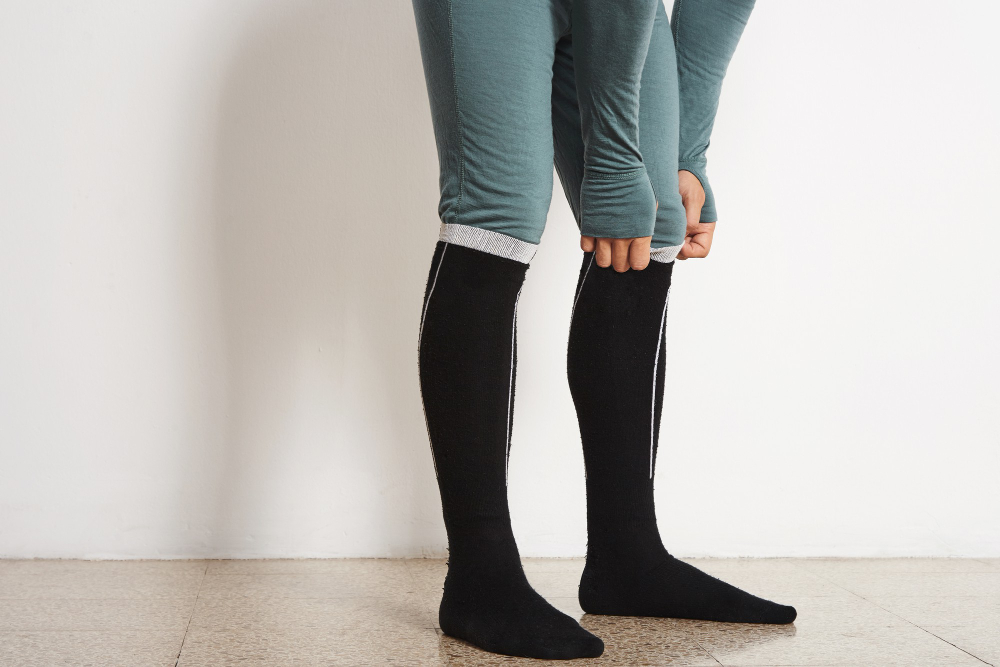
Compression stockings are a simple way to manage varicose veins. They gently squeeze your legs, which helps blood move back to your heart. Because of this, swelling and pain often improve. Doctors often suggest wearing these stockings as a first step. However, they do not cure varicose veins. Instead, they help control symptoms and slow down the problem.
Still, not everyone finds relief with stockings alone.
Signs That Stockings Are No Longer Enough
Sometimes, compression stockings stop working as well as before. When this happens, it may be time to think about other options. But how do you know when to stop wearing compression stockings and seek more help?
If you notice any of these signs, talk to your doctor soon. Early action can prevent bigger problems.
When to Consult a Surgeon for Varicose Veins
Although many people manage with stockings, some need more help. You should see a vascular surgeon if:
Moreover, a surgeon can explain treatment options for varicose veins. They will help you decide what is best for your health.
What to Expect from Surgical Treatment
Today, surgery for varicose veins is safer and less painful than before. In fact, many treatments are done without a hospital stay. Your surgeon may suggest:
Most people return to normal activities within days. However, you may need to wear stockings for a short time after surgery. Your doctor will guide you through recovery.
Prevention and Lifestyle Tips
Even after treatment, you can take steps to keep your veins healthy. For example, try these tips:
These habits can help prevent new varicose veins from forming.
Frequently Asked Questions
Can varicose veins go away on their own?
No, varicose veins usually do not go away without treatment. However, symptoms can improve with stockings and lifestyle changes.
Is surgery the only option if stockings do not work?
No, there are several treatment options for varicose veins. Your doctor may suggest laser, radiofrequency, or sclerotherapy before surgery.
Are varicose veins dangerous?
Most of the time, they are not life-threatening. But, they can cause pain, sores, or blood clots if left untreated.
How long should I wear compression stockings?
Wear them as your doctor advises. If symptoms get worse, ask if you need a new treatment plan.
Conclusion and Next Steps
In summary, varicose veins can often be managed with compression stockings and healthy habits. However, if your symptoms get worse or stockings stop helping, it may be time to see a surgeon. Early treatment can prevent problems and improve your quality of life. For the best advice, consult a vascular specialist for personalized care and treatment options for varicose veins.