
What is Group B Strep?
Group B strep, also called GBS, is a type of bacteria. It often lives in the body without causing harm. Many people carry GBS in their intestines or lower genital tract. Usually, it does not make adults sick. However, it can be dangerous for newborn babies. Because of this, doctors pay close attention to GBS during pregnancy.
Why is Group B Strep Screening Important During Pregnancy?
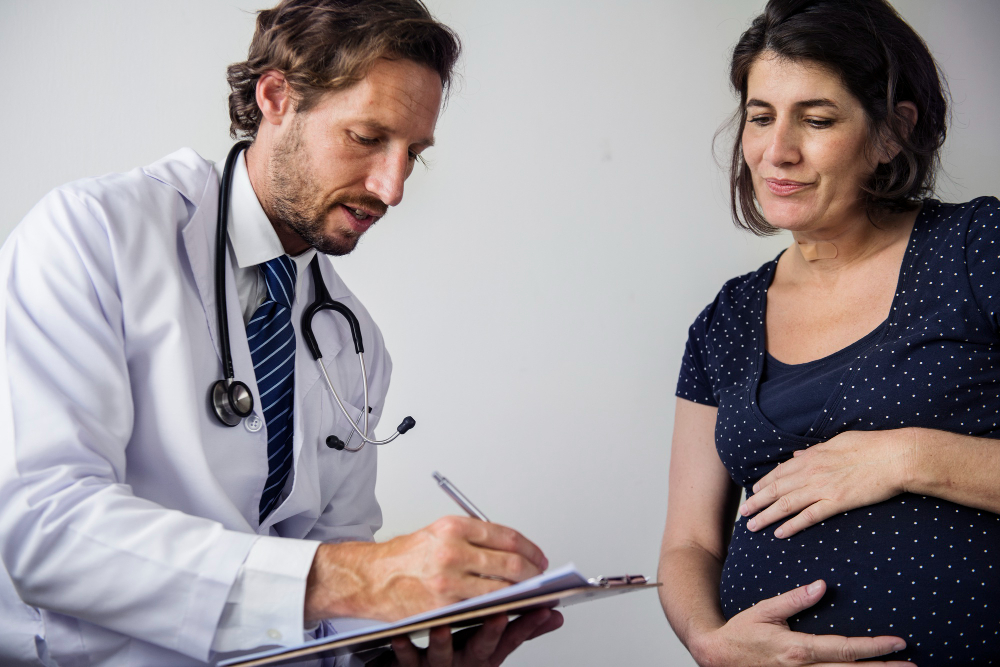
Group B strep screening is a simple test done during pregnancy. It checks if you carry the GBS bacteria. Screening is important because GBS can pass to your baby during birth. If a baby gets GBS, it can cause serious infections. These include pneumonia, blood infections, or meningitis. For this reason, screening helps protect newborns from Group B strep. The Centers for Disease Control and Prevention (CDC) recommends all pregnant women get screened between 36 and 37 weeks.
How is Group B Strep Screening Done?
The Group B strep test is quick and safe. Your doctor or nurse will use a swab to collect samples from your vagina and rectum. This process takes only a few seconds. Afterward, the samples go to a lab for testing. Results usually come back within a few days. Most women find the test painless and easy. Importantly, it does not harm you or your baby.
Risks of Not Screening for Group B Strep
If you skip Group B strep screening, your baby may be at risk. Without screening, doctors cannot know if you carry GBS. Babies exposed to GBS during birth can develop:
These conditions can be life-threatening. Early screening helps prevent these risks. Therefore, it is important to follow your doctor’s advice.
What Happens if You Test Positive?
If your Group B strep screening is positive, do not worry. Many women test positive for GBS. Your doctor will give you antibiotics during labor. This treatment lowers the chance of passing GBS to your baby. The antibiotics are safe for both you and your baby. You do not need antibiotics before labor starts. With proper care, most babies stay healthy even if their mothers carry GBS.
Prevention and Safety Tips for Expecting Mothers
There are steps you can take to protect your baby from Group B strep:
Additionally, good prenatal care helps keep you and your baby safe.
Frequently Asked Questions
In summary, Group B strep screening is a simple step that can make a big difference. It helps keep your baby safe from serious infections. Consult your healthcare provider to ensure the best protection for you and your baby.